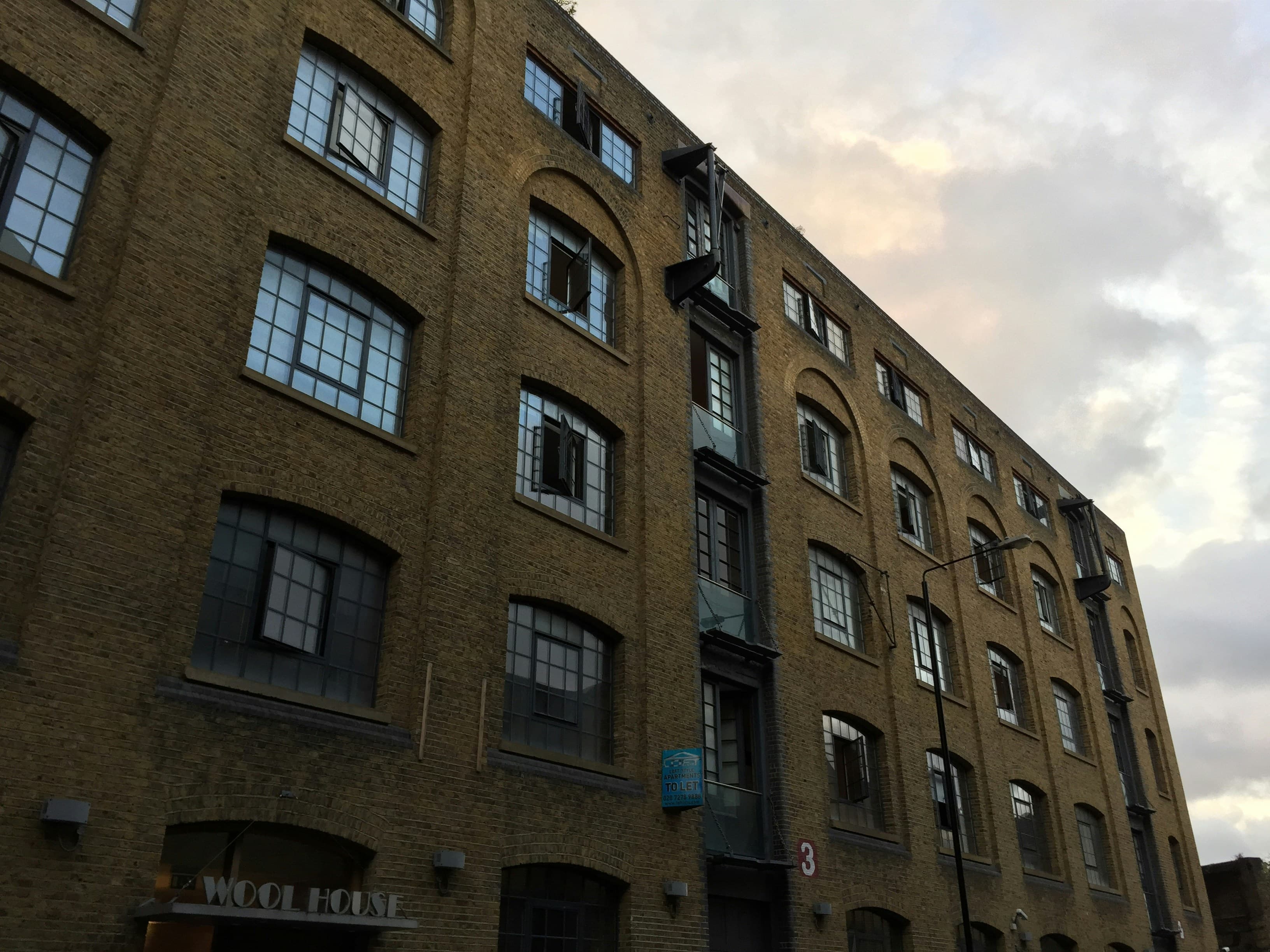
Adaptive reuse, as the name implies, is the conversion of an existing building to a use it was not designed for. The building is adaptively reused: an office tower becomes apartments, a warehouse becomes lofts, a dead mall becomes a mixed-use center. Retrofitting a building for a use it was never intended to hold isn't an easy task. But many developers today are fine trading the flexibility of new construction for what an old building offers—a faster path to market and, most often, a prime location that would be unbuildable today.
# How Adaptive Reuse Works
Not every office building is fit to be converted to apartments, which is why the first feasibility analysis in an adaptive reuse project is architectural before it is financial. In office-to-residential conversions, developers look first at specific building features: floorplates that are not too deep, and enough windows to serve every apartment unit. An ideal building would have an L- or U-shape, which helps deliver light and air into every unit. A deep rectangular floorplate, for instance, can't.[1]
These architectural constraints explain why we see adaptive reuse where we do. Take office conversions as an example once again. Office stock built between 1960 and 1990 with narrow floorplates converts readily. Deeper post-1990 floorplates often do not, which is why some cities with abundant vacant office space see very little conversion activity.[2]
Beyond the architectural constraints, adaptive reuse projects also have to account for entitlements. Just because an office building has the perfect floorplate doesn't mean the city will allow you to turn it into condos. For that, you need to rezone the property, which can add a whole other list of complications.[3]
Done well, though, the upside is real. Older buildings frequently offer higher ceilings and larger floor plans than purpose-built multifamily, occupy locations that cannot be replicated, and carry features—multistory lobbies, original brickwork and moldings—that new construction cannot duplicate and that have real marketing value. Conversion can also deliver a finished product substantially faster than building from scratch.[1]
# Why Adaptive Reuse Is Growing
Adaptive reuse has moved from niche strategy to a mainstream source of housing supply. Roughly 90,300 apartments were in the U.S. office-to-residential conversion pipeline at the start of 2026—a 28% increase year over year and close to four times the 2022 figure. Office buildings now account for about 47% of all planned adaptive reuse units nationally, ahead of hotels at 18% and industrial at 16%.[4]
The driver is distress meeting policy. National office vacancy sat near 19% at the end of 2025, and roughly $213 billion in office loans—about a third of all U.S. office debt—comes due by the end of 2026, pushing owners toward exits.[4] Cities have responded with tax abatements, code relief, and streamlined approvals, much as they did during the earlier conversion waves in New York, Philadelphia, and Toronto.[3]
# Confusing Things About Adaptive Reuse
Conversion is not reliably cheaper. Conversions can offer lower development costs than new construction, but for historic structures in particular the costs can end up exceeding it.[1]
The budget breaks after demolition starts. Developers often find, once construction begins, that more work is needed than anyone thought. Plumbing, flooring, and walls may require replacement because of unforeseen damage or hazardous conditions such as asbestos. These contingencies have to be investigated early and carried in the budget.[3]
Residential buildings work differently. Plumbing and vertical circulation requirements for housing differ substantially from those of offices and warehouses, and closing that gap can demand major structural changes.[3]
# Related Terms
- Office-to-Residential Conversion — the dominant form of adaptive reuse today
- Rezoning — usually required before a conversion can proceed
- Conditional Use Permit — an alternative path where rezoning isn't available
- Transit-Oriented Development — the location logic that makes many conversions pencil
- Tax Increment Financing — a common public subsidy for conversion projects
# Frequently Asked Questions
# What is the difference between adaptive reuse and renovation?
Renovation improves a building while keeping its existing use. Adaptive reuse changes the use entirely — office to residential, industrial to retail — which almost always means new entitlements, a different building code path, and substantial reconfiguration of mechanical and circulation systems.
# Which buildings are best suited to adaptive reuse?
Buildings with narrow or irregular floorplates, ample windows, and generous floor-to-ceiling heights. L- and U-shaped plans work especially well for residential conversion because they deliver light and air to more units. Deep rectangular floorplates are the most common disqualifier.
# Is adaptive reuse cheaper than new construction?
Sometimes, but not dependably. Conversions save on structure and shell and reach market faster, yet hidden conditions, code compliance, and historic requirements can push total cost above new construction. Rigorous pre-construction investigation and a real contingency are what separate the two outcomes.
# Footnotes
-
Schmitz, Adrienne, et al. Multifamily Housing Development Handbook. ULI Development Handbook Series. Washington, D.C.: ULI–the Urban Land Institute, 2000, ch. 10, p. 399. ↩ ↩[2] ↩[3]
-
Daily Commercial News, "Adaptive reuse surge: Office-to-residential projects nearly quadruple since 2022," June 2026. https://canada.constructconnect.com/dcn/news/usa/2026/06/adaptive-reuse-surge-office-to-residential-projects-nearly-quadruple-since-2022 ↩
-
Schmitz et al., Multifamily Housing Development Handbook, ch. 10, pp. 397, 401. ↩ ↩[2] ↩[3] ↩[4]
-
Bisnow, "Office-To-Resi Conversions Up 28% From Last Year's Record Levels," March 2026, reporting RentCafe and Yardi Matrix data. https://www.bisnow.com/national/news/adaptive-reuse/office-resi-conversions-up-28-percent-from-last-year-record-levels-133841 ↩ ↩[2]